How a Fitness Coach Can Boost Your Test Score
Co-authored With Fitness Expert Kyle Krancher.
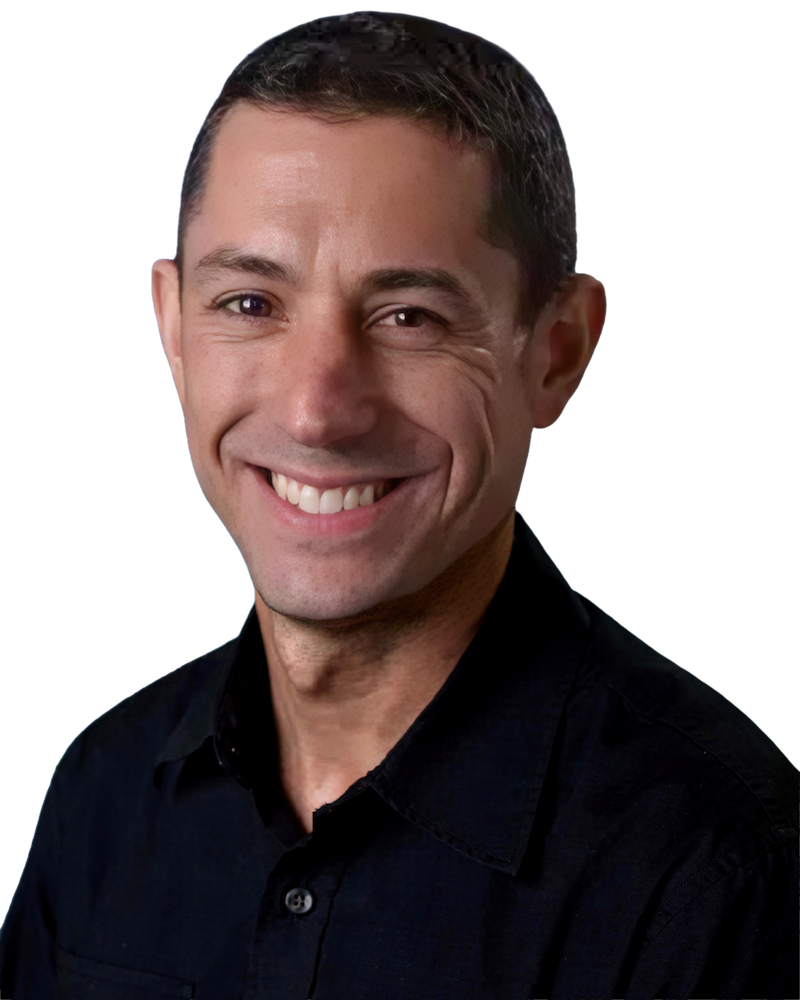
Kyle ran collegiate Track & Field, winning 2 state titles back to back while earning a Bachelor’s Degree in Psychology. Since then, Kyle has been Head Coach and Senior Manager of 2 successful gyms, competed at the national level in Olympic Weightlifting, started several exercise programs to empower underserved youth, and established his own remote coaching business. Learn more about Kyle here!
Studying for the GMAT or GRE is a stressful, sedentary task, and many students feel increasing anxiety as their test day approaches. Physical fitness is a perfect outlet for working off that pent-up energy, and it lets you walk into the test room feeling calm and in control. Countless studies back this up: regular exercise has measurable cognitive benefits, so building movement into your day is one of the smartest things you can do during your test prep. (For the research behind those claims, see our article on exercise and test scores.)
We asked our fitness expert Kyle Krancher to break down exactly how exercise helps, what kind of workouts to prioritize, and how to fit it all into a schedule that already feels impossibly full.
Mind and Body Are Two Halves of the Same Whole
According to Kyle, virtually every client he works with has mental goals alongside their physical goals, and the two reinforce each other. A common roadblock he sees is that people simply don’t have a healthy relationship with exercise. They fear going to the gym because they’re uncomfortable with the movements or equipment, carry horror stories from PE classes past, or spend hours punishing themselves through exercise because they “cheated” on their diet over the weekend.
None of that is a healthy framework for physical activity. Kyle’s standing goal with every client: treat exercise as a celebration of what the body can do, not as a punishment for what you ate.
The Best Exercises for Mental Clarity
Any exercise will always beat none, but not all movements are created equal. Kyle is a fan of efficiency (which you can probably appreciate when a lot of your time is spent studying), so anything he can do with little to no equipment and space is always his go-to.
For boosting mental clarity and performance, his top recommendation is the good old-fashioned burpee. It only has three parts: lie down on your stomach, stand up, and jump. How you get between those points doesn’t really matter. Just going from vertical to horizontal rapidly gets the whole body working and the blood flowing. If you’ve ever done burpees before, you’re probably well aware of this. It’s a tough exercise, but after you’re done you get to ride the endorphin high for the rest of your day.
If you’re uncertain which health and mindfulness factors to work on to improve your test score, take our free Test Anxiety & Performance Quiz to find out.
Take the QuizMaking Time for Exercise in a Busy Schedule
Kyle’s advice here is blunt: if you try to find time in the day to exercise, it’ll never happen. You have to make time. And since some exercise is always better than none, 20 minutes is all you really need.
The best time to work out is whenever you can, but Kyle personally recommends waking up a little earlier to get your movement in so you jolt the body and mind awake for a productive day. If mornings aren’t possible, any other time will do.
His rule is simple: keep it short, hard, and fast. Set your clock for 20 minutes and give it your full effort. That will beat an hour of half-hearted effort seven days a week.
No Equipment, No Problem
Beyond burpees, bodyweight exercises are your best friend. Push-ups, pull-ups, sit-ups, lunges, squats, and dips, no equipment needed, and each one can be made more difficult or more accessible by adjusting the range of motion, volume, or the combination of exercises in a session. There are countless variations online.
Check out this video for a 12-minute routine that you can complete without any equipment.
When to Work With a Personal Trainer
If you feel you don’t know what you’re doing, have been inconsistent in the past, or are generally unhappy with how your body feels, Kyle says you could benefit from working with a personal trainer. Just like you go to a mechanic to fix your car or to GMAT Ninja to improve your test score, you’re paying a trainer for knowledge, experience, and support.
From Kyle, clients can expect compassion, honesty, accountability, attentiveness, and a wealth of experience. His approach is informed by not only his own history as a collegiate athlete and national-level Olympic weightlifter, but by 7 years of coaching and countless successful client stories. What he expects in return is straightforward: effort and honesty. If a client can give a solid effort and communicate openly about their struggles, fears, and general feedback, Kyle can work collaboratively to pave a path forward.
What the First Session Looks Like
When Kyle meets a client for the first time, his main focus is getting to know them: what they do for work, their athletic background, past struggles with exercise, their goals, and their expectations. After that initial conversation, he outlines the pathway for getting started and walks clients through the software they’ll use for day-to-day communication.
For remote training, the process is simple. First, the initial consultation to set goals and identify barriers. Second, the client downloads the TrueCoach app, where they’ll receive workouts, provide feedback (including video), and ask questions. Third, they complete workouts using the app, Kyle gets notified, and he monitors progress and makes adjustments as needed.
Frequently Asked Questions
Does exercise really help with test anxiety?
It can. As Kyle explains above, exercise gives pent-up nervous energy a productive outlet, and regular movement is linked to the cognitive skills tests reward. For the research behind this, see How Exercise Can Boost Your GMAT Score.
How much exercise do busy test-takers actually need?
Kyle’s rule of thumb: 20 minutes of short, hard, fast effort beats an hour of half-hearted effort. Some movement always beats none.