

How GMAT Multi-Source Reasoning Works
Multi-Source Reasoning hands you two or three tabs of text, tables, and charts, then asks several questions about them. The winning approach is analogous to the one that works on Reading Comprehension: survey the material calmly before diving into the questions, don’t try to memorize the firehose of information, and let the questions tell you which details matter.
Keep reading for the full approach and why it works.
Multi-Source Reasoning (MSR) questions are a reliable source of anxiety for GMAT test-takers. After all, you not only have to read a few paragraphs of text; you also have to process this text along with tables or graphs or spreadsheets, presented in two or three separate “tabs.” It can feel overwhelming.
Over and over again, our students and YouTube viewers ask us variations on the same question: “How on earth am I supposed to consume all of this information, make sense of it, and then answer SEVERAL multi-part questions about it, without spending an entire hour on the thing?!?”
There are no easy answers here, but, as with most challenging GMAT question types, it’s crucial to optimize both your mindset and your strategy.
To see an optimal mindset and strategy in action on a nice variety of questions, check out our GMAT Multi-Source Reasoning videos: Data Insights Ep. 7: Intro to Multi-Source Reasoning and Data Insights Ep. 8: Key Reminders for Multi-Source Reasoning.
Take a Breath, Then Calmly Survey the GMAT Multi-Source Tabs
When you see a GMAT Reading Comprehension passage, you don’t just jump straight to the questions, right? Instead, you take the time to understand the structure of the passage, determine what role each paragraph plays in the overall piece, and assess where the most important information is located.
If you want to maximize your efficiency, you’ll do something similar on GMAT Multi-Source Reasoning questions. Read the text. Click through the tabs without rushing. Take a look at any included graphs and tables, paying attention to how axes are labeled.
Only once you have a broad grasp of the information presented should you proceed to the questions, which will provide more context to help you understand the relevance of each tab.
Sometimes a question will touch on a very small component of a single tab. Sometimes a question will require you to go back and forth between two or three tabs. It’s important to be flexible and be prepared for anything, without obsessing TOO much over specific details in the beginning.
Speaking of which…
Don’t Obsess Over Details on GMAT Multi-Source Reasoning!
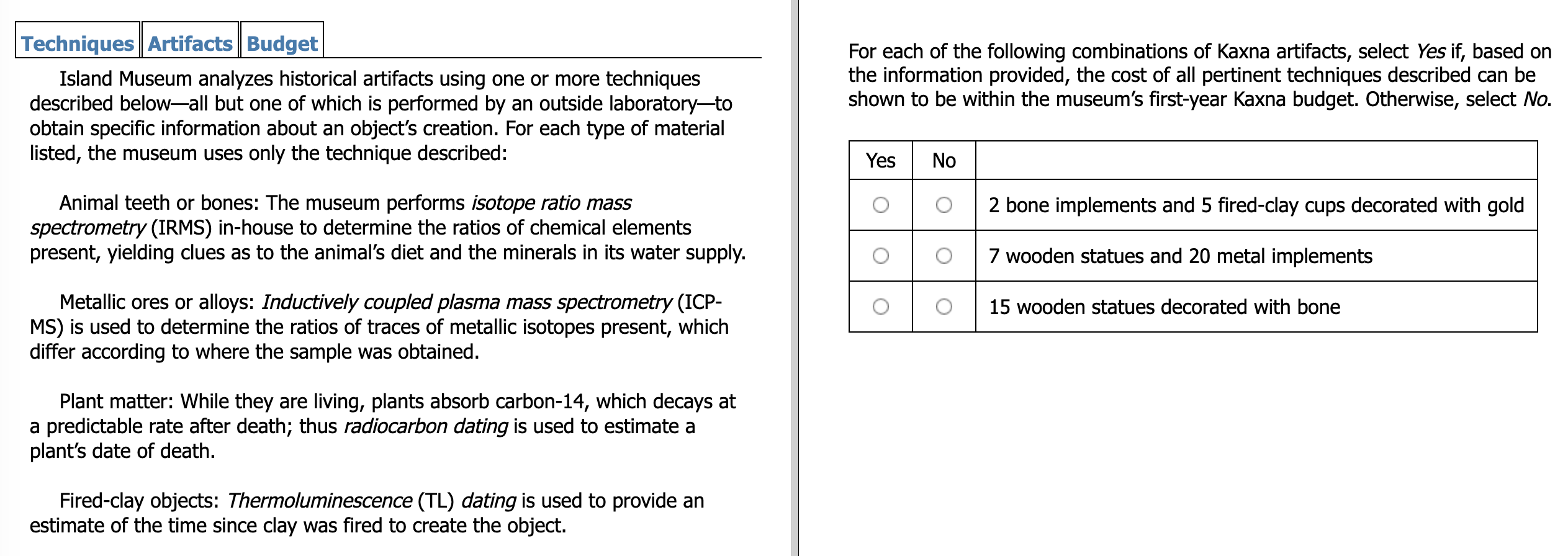
On your first pass through the text and figures, don’t try to memorize any details. The information isn’t going anywhere, and we promise that it will be on the screen for as long as you’d like. Your first job is to get a feel for what type of information is located in which part of the information tabs.
Often, this is easier said than done. There may be times when the diagram is so confusing that you’re not entirely sure what you’re looking at.
Even worse: there may be times when the questions are so confusingly or ambiguously worded that you’re still unsure after multiple reads.
This is challenging for everyone, even longtime GMAT tutors. The key is to be thorough without being obsessive, and to accept that there’s going to be some uncertainty when the information is difficult to understand.
What About Note-Taking on GMAT Multi-Source Reasoning?
Our philosophy here is similar to our philosophy on GMAT and EA Reading Comprehension passages: everyone is different. What works for one test-taker may not be a great fit for another.
Some people find that by taking notes on what’s contained within each tab, their brain engages at a deeper level, and they feel less intimidated by the sheer quantity of data they have to navigate.
Others get bogged down in taking excessive notes that they’ll never refer back to, and end up feeling even more overwhelmed.
So as you complete practice questions, you’ll want to experiment a bit with your note-taking. (Obviously, this experimentation should happen before you start taking official practice exams!) Pay attention to how various approaches impact your accuracy and timing, and see what works best for you personally.
For what it’s worth, most of our one-on-one GMAT tutoring students take minimal notes: at most, just a handful of words to remind themselves what’s contained within each tab. But again, the optimal approach to note-taking varies from student to student.
So if you want to take more notes on GMAT Multi-Source Reasoning, that might be totally fine. Just make sure that what you’re doing is actually helping your accuracy and efficiency.
Stick With Official GMAT Multi-Source Reasoning Questions
If you’ve checked out any of our other GMAT articles or videos, you probably know how we feel about non-official verbal questions. And while Multi-Source Reasoning GMAT questions aren’t technically verbal questions, they contain a fair amount of text and ambiguous phrasing, and it’s outrageously difficult for test-prep companies to replicate their nuance and depth.
Many of you have heard this already, but the GMAT spends literally thousands of dollars developing each official GMAT question, and even the very best test-prep companies can’t compete. (Including the tutors here at GMAT Ninja. We write our own questions, too. We think we’re good at it. You still shouldn’t rely too heavily on them, particularly for a question type that’s as intricate as Multi-Source Reasoning.)
How Many Multi-Source Reasoning Questions Will You See on the GMAT?
Multi-Source Reasoning problems come in clusters of three questions. You’ll see one or two of these clusters in the Data Insights section, for a total of three or six MSR questions on your GMAT exam.
As With All GMAT Question Types: High-Quality Practice Is Key
It’s worth reiterating: Multi-Source Reasoning questions are hard and often intimidating. While watching videos and reading articles can help you craft a strategy for dealing with the complexity and difficulty of MSR questions, you’re unlikely to see instantaneous, life-altering results.
The good news is that with hard work and a willingness to adjust your strategy as needed, you can make real improvements.
So keep at it!
Frequently Asked Questions
What is Multi-Source Reasoning on the GMAT?
MSR questions present information across two or three tabs, including a mix of text passages, tables, and graphs. Each set of tabs includes a cluster of three questions. MSR appears in the Data Insights section, which gives you 20 questions in 45 minutes.
How many MSR questions are on the GMAT?
You’ll see one or two sets of three questions, for a total of either three or six MSR questions per exam.
Should I read all the tabs before answering MSR questions?
Read them, but don’t even try to memorize them. Get a feel for what’s in each tab, then let each question guide you to the information that deserves more attention.
Is Multi-Source Reasoning on the Executive Assessment?
Yes, in the EA’s Integrated Reasoning section. The question format and the strategy are identical to the GMAT’s.